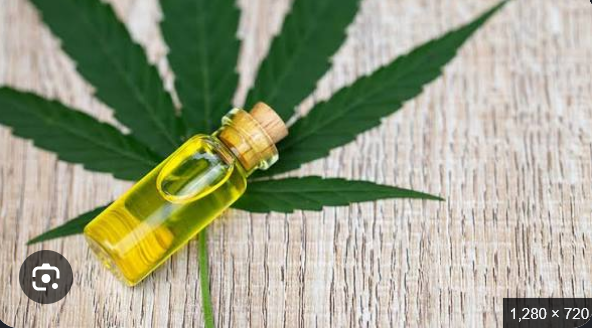
vThe wellness industry is constantly evolving, with consumers becoming increasingly interested in natural products and alternative approaches to everyday wellbeing. One ingredient attracting significant attention is cannabidiol, commonly known as CBD. Derived from the cannabis plant, CBD has become a popular subject of discussion among researchers, wellness enthusiasts, and skincare professionals.
Unlike THC, CBD does not produce the intoxicating effects associated with cannabis. This difference has contributed to its growing popularity in various consumer products, including oils, creams, capsules, and personal care items.
Why Is CBD Becoming Popular?
Modern lifestyles can involve busy schedules, demanding responsibilities, and limited opportunities for relaxation. As a result, many consumers are exploring products that may complement their wellness routines.
CBD has attracted interest because of its interaction with the endocannabinoid system, which plays a role in several physiological processes. Researchers are studying how this interaction may influence different aspects of human health.
Although CBD is widely discussed as a wellness ingredient, scientific evidence supporting many advertised benefits remains limited. Consumers should distinguish between established findings and marketing claims.
CBD in the Skincare Industry
One of the interesting developments in the CBD market is its increasing presence in skincare. CBD-infused creams, serums, balms, and moisturisers are appearing in beauty collections.
These products are marketed for different skincare needs, including soothing and moisturising the skin. However, research into the effectiveness of topical CBD is still developing.
When selecting CBD skincare products, consumers should consider the complete ingredient list, product quality, and suitability for their skin type. A patch test can also help identify potential irritation.
The Importance of Product Quality
As the CBD market expands, product quality and transparency have become increasingly important. Not every product contains the amount of CBD stated on its packaging, making independent laboratory testing valuable.
Consumers should look for products that provide:
- Clear CBD concentration information.
- Independently verified laboratory reports.
- Transparent ingredient lists.
- Reliable manufacturing information.
- Compliance with applicable local regulations.
These details can help consumers make more informed purchasing decisions.
Understanding Possible Side Effects
Although CBD is often promoted as a natural wellness ingredient, natural does not automatically mean risk-free. Possible side effects include fatigue, diarrhoea, and changes in appetite.
CBD may also interact with prescription medicines and affect how certain drugs are processed by the liver. People who take medication or have existing health conditions should seek medical advice before using CBD products.
Pregnant and breastfeeding individuals should avoid CBD unless specifically advised otherwise by a qualified healthcare professional.
What Does the Future Hold?
The future of CBD will likely depend on scientific research, product innovation, and stronger industry standards. Researchers are continuing to investigate its potential applications, while manufacturers are focusing on product consistency and transparency.
Greater scientific understanding may help consumers identify which CBD products have genuine evidence behind their claims.
Conclusion
CBD has established a growing presence in the modern wellness and beauty industries. Its popularity reflects increasing consumer interest in alternative wellness ingredients. However, informed decisions should always be based on reliable research, product quality, and professional healthcare advice rather than exaggerated promises.
Leave a Reply