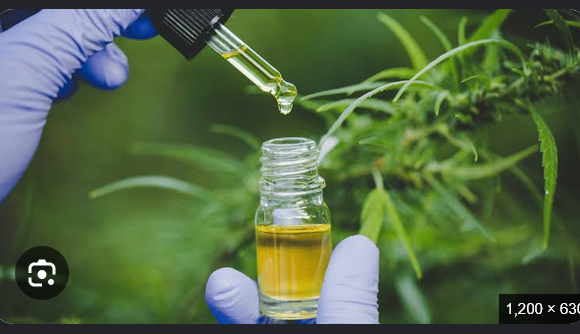
The cannabidiol industry has created commercial opportunities for entrepreneurs interested in agriculture, manufacturing, cosmetics and consumer products. CBD, commonly known as cannabidiol, is used in different product categories and has attracted attention from businesses exploring the growing hemp market.
Building a successful CBD brand, however, requires more than developing an attractive product. Companies must prioritise quality, regulatory compliance and consumer trust.
Understanding the CBD Business Landscape
The CBD industry includes several business areas, such as hemp cultivation, extraction, product manufacturing, packaging and retail distribution.
Entrepreneurs can explore different opportunities depending on their expertise, investment capacity and local regulations.
Understanding the market is an important first step before launching a business.
Developing a Distinctive Product
Product development is an important part of establishing a CBD brand.
Businesses may explore different product categories, including:
- CBD oils and tinctures.
- CBD skincare formulations.
- CBD capsules.
- CBD cosmetic products.
- Hemp-based personal care products.
Each category has different manufacturing, testing and regulatory requirements.
Building a Recognisable Brand
Brand identity helps businesses communicate their products and values.
A professional brand should include clear product descriptions, accurate ingredient information and consistent visual presentation.
Companies should avoid exaggerated health claims or misleading advertising.
Product Quality and Testing
Quality assurance is essential in the CBD market.
Entrepreneurs should work with appropriate manufacturers and independent laboratories to verify product composition and identify potential contaminants.
Accurate certificates of analysis and batch records can support product transparency.
Understanding Legal Responsibilities
CBD businesses must follow the laws that apply to their products and markets.
Requirements may involve product authorisation, manufacturing standards, labelling, advertising and retail restrictions.
Businesses operating internationally must also examine the regulations of each destination market.
Customer Education and Trust
Consumer education can help CBD brands establish long-term relationships.
Providing reliable information about product ingredients, scientific evidence and safety considerations is more valuable than making unrealistic promises.
Responsive customer support and transparent business practices can also strengthen brand credibility.
Future Opportunities
The CBD industry may continue developing through improved manufacturing technology, scientific research and changing consumer interests.
Entrepreneurs who focus on responsible innovation and regulatory compliance may be better prepared for future market developments.
Conclusion
Building a CBD brand requires careful planning, reliable manufacturing and a strong understanding of regulations. Product quality, transparent marketing and customer education are essential elements of responsible entrepreneurship in the evolving cannabidiol industry.
Leave a Reply