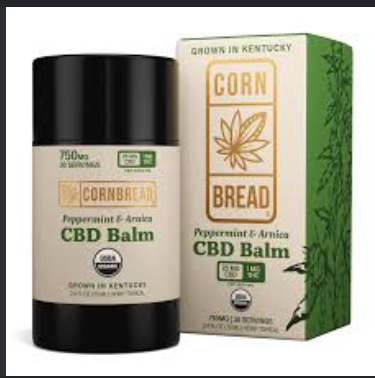
CBD has become one of the most discussed ingredients in the modern wellness industry. From online articles to skincare advertisements, cannabidiol appears in many conversations about natural products and alternative wellness.
However, the increasing popularity of CBD has also created confusion. Understanding the facts can help consumers avoid misleading information and make responsible decisions.
What Is CBD?
CBD stands for cannabidiol, a naturally occurring compound found in cannabis plants.
It is different from THC, the cannabinoid primarily responsible for the intoxicating effects of cannabis.
CBD is commonly extracted from hemp and incorporated into oils, capsules, creams and other products.
Myth 1: CBD Always Produces a High
This is incorrect. CBD does not generally produce the intoxicating effects associated with THC.
However, some CBD products may contain THC, depending on their formulation and manufacturing process.
Consumers should check product labels and independent laboratory reports.
Myth 2: Every CBD Product Is the Same
CBD products vary in concentration, formulation and quality.
Some contain purified cannabidiol, while others contain additional hemp-derived compounds.
Manufacturing standards and testing procedures can also differ between brands.
Myth 3: CBD Can Treat Every Health Condition
This is an exaggerated claim.
Although prescription cannabidiol has established medical applications for certain forms of epilepsy, many other advertised health benefits remain insufficiently supported by clinical research.
CBD should not replace prescribed medication or professional medical treatment.
Myth 4: Natural Products Are Always Safe
Natural ingredients are not automatically risk-free.
CBD may cause fatigue, diarrhoea and changes in appetite. It can also interact with certain medicines and affect liver function.
Professional medical advice is particularly important for people taking prescription medication.
How to Identify Reliable Information
Consumers should use trustworthy sources when researching CBD.
Useful steps include:
- Checking independent scientific studies.
- Reviewing product ingredient lists.
- Looking for laboratory testing reports.
- Avoiding unrealistic medical claims.
- Checking applicable local regulations.
Conclusion
CBD education is important as cannabidiol products become more visible in the consumer market. Separating scientific evidence from advertising claims helps people understand both the potential and limitations of CBD. Responsible research, transparent manufacturing and professional healthcare guidance should remain priorities.
Leave a Reply